
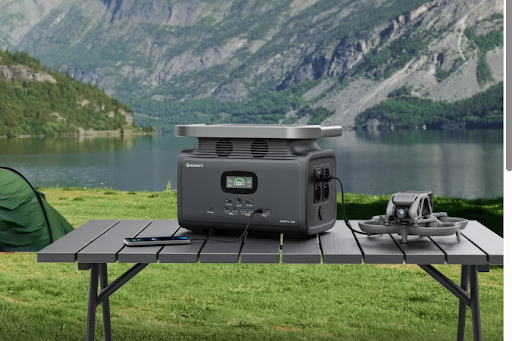
A portable power station offers you a reliable and safe solution to stay powered whether your lights go out or you’re going off-grid. Depending on the model, these little devices can store energy from solar panels, electrical outlets, or even gas generators. They can keep everything from phones to big appliances operating when you need them most, run silently, and emit no pollutants.
A power station keeps your necessities going whether you’re camping, driving in an RV, setting up a do-it-yourself workspace, or getting ready for emergencies. These stations are designed to last for many years thanks to smart energy technology and long-lasting LiFePO4 batteries.
The Right Power For Every Situation
There are several sizes of portable power plants. Some are strong enough to hold a refrigerator, power tools, or even large household appliances, while others are ideal for charging tiny devices. Finding a model that suits your lifestyle is simple because to features like high AC output, expandable battery packs, solar support, and quick AC charging.
How Portable Power Stations Work
Rechargeable batteries, typically constructed from dependable LiFePO4 cells, are used in portable power stations to store energy. After charging, you may use the integrated DC, USB, and AC outlets to power your gadgets.
TheyUse solar energy, auto chargers, or wall electricity to charge.Use a pure sine wave inverter to supply steady electricity. Work silently and without emitting any odors.Depending on the watt output, it may support anything from large appliances to tiny electronics. When the grid fails, several versions may function as UPSs, switching over in milliseconds to maintain Wi-Fi, PCs, or medical equipment online.
Whole-Home And Essential Backup Options
Depending on your setup, a power station can support your entire home or just the most important items.
Whole-Home Backup
With split-phase power, parallel connections, and expandable battery packs, larger stations can keep major appliances running during storms or long outages. This includes:
- Central AC
- Well pumps
- Electric stoves
- Large refrigerators
- Heaters and microwaves
Essential Backup
Smaller stations are enough for:
- Lights
- Internet routers
- Phones and laptops
- Fans
- Mini-fridges
- TVs
This gives you comfort and safety while keeping your home connected.
Why Choose a High-Quality Portable Power Station?
Strength for Everyone
Run nearly everything, from little gadgets to entire home systems.
Your house or camper is always prepared thanks to powerful AC output, quick solar input, and high-capacity batteries.
Reduce Emissions and Save Money
Reduce your energy costs and charge your station with solar power. Clean, renewable energy allows you more control over how much electricity you use while also lowering CO2 emissions.
Reliable Performance
Long-lasting LiFePO4 batteries provide daily dependability for many years. Modern battery management systems guard against overloads, overcharging, and overheating.
Simple Warranty and Support
Leading brands ensure that you are never left waiting in an emergency by providing prompt shipment, extended warranties, and friendly customer service.
Portable Power For Outdoor Adventures
If you love camping, hiking, or traveling in your RV, a portable power station brings comfort to your trips. Lightweight models with 200–1800W output can run:
- LED lights
- Air pumps
- Portable fridges
- Laptops
- Medical devices
- Camera gear
Solar charging lets you stay powered even if you’re miles from the grid.
Choosing The Right Portable Power Station
Here are simple steps to pick the right model:
- Check the wattage you need for your devices.
- Look at battery capacity (Wh) to know how long it will run.
- See if you need expandability for bigger emergencies.
- Check solar input support if you want clean, renewable charging.
- Make sure it has the ports your devices use: AC, USB-C, DC, TT-30 for RVs.
Common Questions
Q. How do you charge a portable power station?
You can recharge with wall outlets, solar panels, or car chargers. Some models also accept power from gas generators.
Q. Power bank vs. portable power station what’s the difference?
Power banks charge small devices. Power stations can run appliances and offer AC output.
Q. What size power station do I need?
Add up the watts of the devices you want to run, then choose a station with a higher output and enough battery capacity.
Q. Can these run indoors?
Yes. Since they don’t use fuel or release fumes, they’re safe for indoor backup.
Q. Can a portable power station work with solar?
Most modern stations support solar charging with MPPT controllers for faster, stable charging.
Leave a Reply