
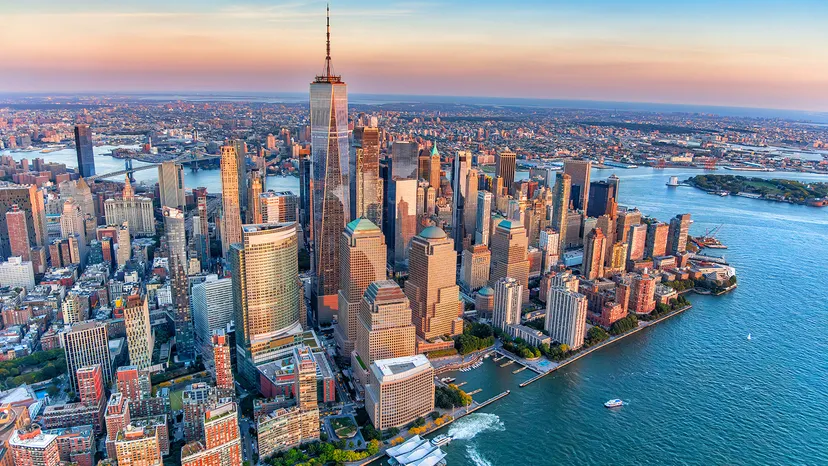
Traveling to some of the United States’ most famous cities is a dream for many, but the high cost of living in places like New York City, San Francisco, Los Angeles, Chicago, and Washington D.C. can make it feel out of reach. From pricey hotels to expensive meals and attractions, these cities often leave travelers worrying about their budgets before they even leave home. The good news is that with smart planning, insider tips, and a little flexibility, we can explore these urban hubs without breaking the bank. Budget travel is possible, and it can even make our experiences more enjoyable because we focus on what truly matters: seeing the city, enjoying its culture, and making memories.
In this guide, we’ll walk through practical budget travel tips for expensive cities in the USA, highlight cities where these tips are especially useful, and share additional strategies to save money without sacrificing the fun.
Why Budget Travel Tips Are Important in Expensive US Cities
Big cities in the US are exciting, vibrant, and full of things to do, but they’re also expensive. New York City, San Francisco, and Los Angeles consistently rank among the priciest destinations in the country, with high costs for hotels, meals, transportation, and attractions. Even a simple weekend trip can quickly exceed our budget if we don’t plan ahead.
Budget travel tips are crucial because they help us stretch every dollar. Smart planning allows us to enjoy world-class museums, iconic landmarks, delicious meals, and unforgettable experiences without constantly worrying about money. When we understand how to navigate expensive cities wisely, we can make travel accessible, fun, and stress-free.
Top Budget Travel Tips Expensive Cities USA
Here are some of the most effective ways to save money while exploring expensive cities in the US:
1. Plan Your Trip During Off-Peak Seasons
Timing is everything when it comes to budget travel. Traveling during off-peak seasons can significantly reduce costs for flights, hotels, and attractions.
- Cheaper flights: Airlines often lower prices during shoulder seasons or weekdays. Avoiding holidays and summer vacations can save hundreds of dollars.
- Affordable hotels: Many hotels and Airbnbs offer discounts during quieter months. Booking early for off-peak periods often gives the best deals.
- Less crowded attractions: Visiting popular museums, parks, and landmarks when fewer tourists are around can make experiences more enjoyable and budget-friendly.
By planning around off-peak seasons, we not only save money but also avoid the stress of overcrowded streets and long lines.
2. Use Public Transport Instead of Rideshares
Rideshares like Uber and Lyft are convenient but can add up quickly. Using public transportation is a great way to save money and experience the city like a local.
- Subways and buses: Cities like New York, Chicago, and San Francisco have extensive public transport networks that are affordable and efficient.
- Walking: Many downtown areas are walkable, and strolling through neighborhoods gives us a closer look at local culture.
- Bike rentals: Several cities offer bike-share programs, which are cheaper than taxis and allow us to explore at our own pace.
Public transport isn’t just budget-friendly—it also reduces stress from traffic and parking fees.
3. Find Affordable Accommodation
Hotels in expensive cities can be a major expense, but there are plenty of alternatives that help us stick to our budget:
- Hostels: Modern hostels are clean, safe, and social, offering private rooms and shared options.
- Budget hotels: Small, locally-owned hotels often offer lower rates than big chains.
- Airbnb and home-sharing: Renting a room or an apartment can be cheaper, especially if traveling in a group.
Booking early, reading reviews, and comparing multiple options are key to finding the best deals.
4. Eat Like a Local
Food is one of the biggest expenses in big cities, but we can enjoy authentic meals without overspending:
- Food trucks and street vendors: Many cities have delicious, cheap eats just waiting to be discovered.
- Local markets: Farmers’ markets and food halls offer fresh meals at lower prices than restaurants.
- Happy hour deals: Bars and restaurants often have discounted meals and drinks in the afternoon or early evening.
Eating like a local not only saves money but also gives us a more genuine taste of the city’s culture.
5. Take Advantage of Free Attractions
Expensive cities are full of free or low-cost attractions if we know where to look:
- Museums: Some museums offer free admission on certain days or times.
- Parks and outdoor spaces: Central Park in NYC, Golden Gate Park in San Francisco, and Griffith Park in LA are perfect for picnics, walks, and relaxation.
- Walking tours: Self-guided tours are free, and many cities have apps or maps for easy exploration.
- City landmarks: From the Lincoln Memorial in D.C. to Venice Beach in LA, many famous sites are free to enjoy.
By prioritizing free attractions, we can experience the city’s highlights without spending a fortune.
6. Book in Advance and Compare Prices
Planning ahead can save us both money and time.
- Flights: Booking flights weeks or months in advance usually yields the best prices.
- Tickets: Popular attractions often have discounted online tickets, especially if booked early.
- City passes: Many cities offer passes that include multiple attractions at a reduced price.
Comparing prices across platforms ensures we’re getting the best deal for every activity.
7. Use Travel Rewards and Apps
Technology can be a traveler’s best friend:
- Cashback apps: Apps like Rakuten or Honey help us earn money back on flights, hotels, and experiences.
- Reward points: Credit cards with travel rewards can cover flights, hotels, or even food.
- Budget travel apps: Apps like Skyscanner, Hopper, or Rome2Rio make it easier to find the cheapest routes and accommodations.
Using these tools consistently adds up to significant savings over time.
Cities Where Budget Travel Tips Are Most Useful
Some US cities are notorious for their high costs, making budget strategies especially valuable:
- New York City: Free museums, walking tours, and public transport help us enjoy the Big Apple without overspending.
- San Francisco: Using public transit, finding affordable eats, and exploring free landmarks like the Golden Gate Bridge keep costs manageable.
- Los Angeles: We can enjoy free beaches, Griffith Park, and hiking trails, saving money while exploring the city’s natural beauty.
- Chicago: City passes and low-cost transport options make visiting iconic attractions like Millennium Park and Navy Pier affordable.
- Washington D.C.: Monuments, national museums, and memorials are mostly free, making the nation’s capital a budget-friendly destination.
Additional Money-Saving Tips
Even small habits can make a big difference in our budget:
- Limit souvenirs: It’s easy to overspend on gifts and keepsakes, so stick to a few meaningful items.
- Carry reusable water bottles: This saves money and reduces plastic waste.
- Travel with friends: Splitting accommodation and transport costs helps everyone save.
- Plan itineraries carefully: Avoid last-minute expenses by scheduling transportation and activities ahead of time.
Combining these tips with the strategies above ensures we enjoy a richer, more affordable travel experience.
Final Thoughts on Budget Travel Tips Expensive Cities USA
Traveling to expensive cities in the USA doesn’t have to drain our wallets. By planning ahead, using public transportation, finding affordable accommodation, eating like locals, and taking advantage of free attractions, we can explore these cities fully without overspending. Additionally, booking in advance, using travel apps, and practicing small money-saving habits make our trips smoother and more enjoyable.
We encourage travelers to focus on experiences rather than expenses. Cities like New York, San Francisco, Los Angeles, Chicago, and Washington D.C. offer incredible opportunities for discovery, learning, and adventure—and we don’t need a fortune to enjoy them.
Start planning your affordable adventure today, and remember: smart travel is not just about saving money, it’s about making every moment count.
Check Back: Techsslash!
Leave a Reply