
Why Regular Maintenance Matters
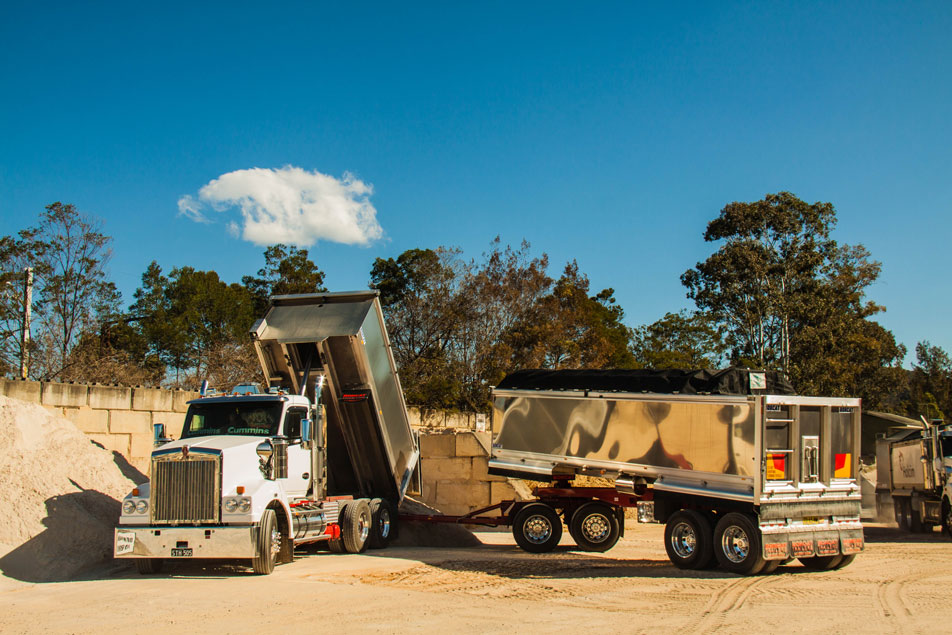
Tipper trucks operate in harsh environments and handle heavy, abrasive loads every day. Regular maintenance is essential to prevent unexpected breakdowns, minimise downtime, and maintain safe operation. Spotting worn parts early helps avoid secondary damage to hydraulics, the body, and structural components, which can quickly increase repair costs.
Common Signs of Wear and Tear
Hydraulic Leaks or Malfunctions
Hydraulic systems are under constant pressure during tipping operations. Visible oil leaks around rams, hoses, or fittings are a clear warning sign. Other indicators include slow lifting, uneven tipping, or a loss of lifting power, all of which suggest internal wear or failing seals.
Worn or Damaged Tailgate Hinges
Tailgates open and close repeatedly and absorb impact from shifting loads. If the tailgate becomes difficult to open or close, sags when unlatched, or shows excessive movement, the hinges or mounting points may be worn. Ignoring these signs can lead to uncontrolled discharge during tipping.
Noisy or Jerky Operation
Grinding, squeaking, or knocking noises during tipping are often linked to worn pivot pins, bushes, or dry contact points. A jerky or uneven tipping motion is another indicator that moving components are no longer operating smoothly and may be close to failure.
Rust and Corrosion
Exposure to moisture, dirt, and chemicals makes tipper components prone to corrosion. Surface rust may seem minor, but deeper corrosion can weaken structural parts, fasteners, and joints. Rust around load-bearing areas should be addressed promptly to maintain safety.
Cracks or Fractures in Load Areas
Cracks around welds, brackets, or high-stress points on the body or subframe are serious warning signs. These often develop gradually due to repeated heavy loads. If left unchecked, they can compromise the strength of the tipper and increase the risk of major structural failure.
Parts That Typically Need Frequent Replacement
Some components naturally wear faster due to constant movement and load stress. These commonly include hydraulic hoses and fittings, tailgate hinges and latches, pivot pins and bushes, wear plates, and electrical components such as lights and wiring. Monitoring and replacing worn tipper spare parts early helps keep the tipper operating efficiently and safely.
What to Do When You Spot a Fault
When a potential issue is identified, start with a visual inspection to assess the severity. Minor wear may be resolved with servicing or lubrication, but visible damage, leaks, or structural issues should be addressed immediately. Continuing to operate a faulty tipper increases the risk of breakdowns and accidents.
When in Doubt, Seek Expert Help
If you are unsure whether a part needs repair or replacement, consulting a qualified mechanic or tipper specialist is the safest option. Professional assessment ensures the correct parts are used and fitted properly, reducing the risk of repeat issues.
Bottom Line
Knowing when a tipper part needs replacement comes down to regular inspections and recognising early warning signs. Hydraulic issues, unusual noises, corrosion, and structural damage should never be ignored. Staying proactive with maintenance and timely replacement helps extend the life of your tipper, improve safety, and avoid costly downtime.
Leave a Reply