
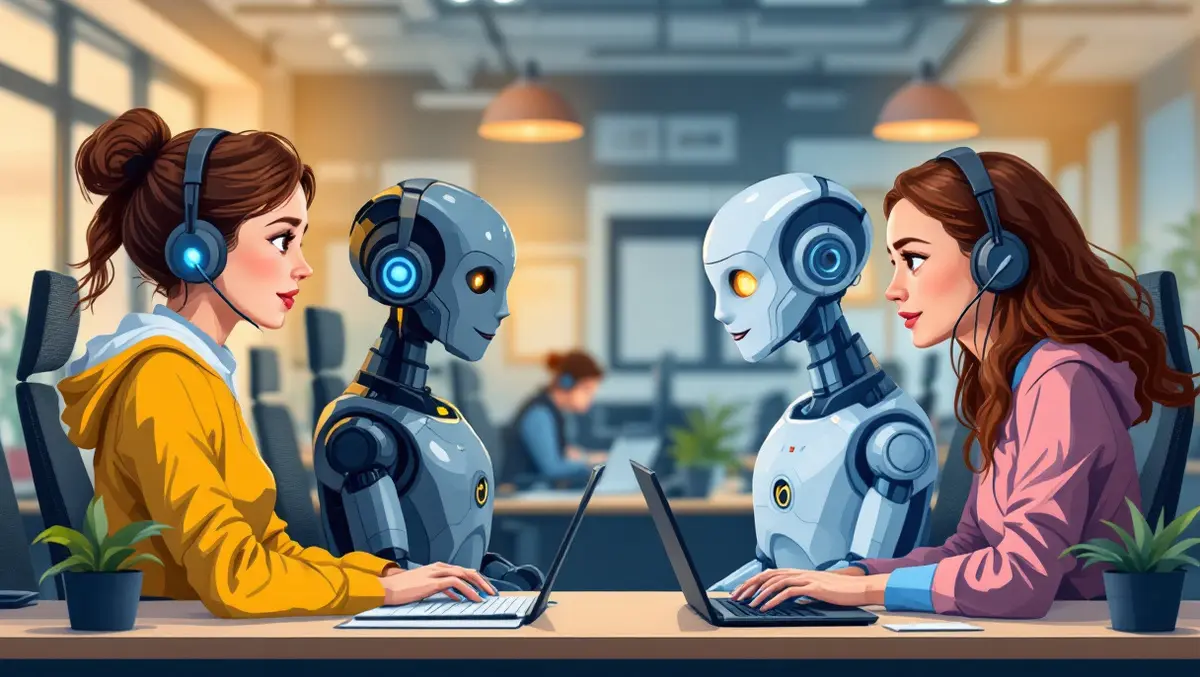
Artificial intelligence is everywhere now. From writing emails to analyzing markets and managing workflows, AI tools are quietly slipping into our daily routines. But with that growth comes a big question most people don’t ask out loud often enough: can we actually trust AI?
That question becomes even more important when we talk about newer platforms like the Auztron bot. It claims to use artificial intelligence to make smarter decisions, automate tasks, and assist users in ways that feel almost human. For many people, that sounds impressive. For others, it sounds risky.
This article isn’t here to hype things up or scare anyone. It’s here to break things down simply. We’ll talk about what the Auztron bot is, how AI trust really works, and what signs matter when deciding whether a tool like this deserves a place in your workflow.
No complicated jargon. No tech buzzwords. Just a real conversation about trust, AI, and where Auztron bot fits in.
What Is the Auztron Bot?
At its core, the Auztron bot is an artificial intelligence–powered system designed to automate decision-making and support users across different digital tasks. Instead of relying on fixed rules or basic scripts, it uses AI models that learn from data, patterns, and user input.
That difference matters.
Traditional bots follow instructions. AI-driven bots like Auztron are built to adapt. They improve over time, respond to context, and make recommendations that feel less mechanical and more thoughtful.
People are using tools like Auztron bot for things such as:
- Data analysis and pattern recognition
- Automated responses and workflows
- Intelligent monitoring and alerts
- Decision support in complex systems
What sets Auztron bot apart isn’t just what it does, but how it approaches intelligence. The goal isn’t automation for automation’s sake. It’s to create a system that can assist without taking control away from the user.
Why Trust Is the Biggest Issue With AI Tools
AI doesn’t fail because it’s smart. It fails when people don’t understand it.
Most trust issues around artificial intelligence come from three fears:
- Not knowing how decisions are made
- Not knowing what data is being used
- Not knowing who is accountable when something goes wrong
If an AI tool feels like a black box, people hesitate. That hesitation is healthy. Blind trust is never a good idea, especially with technology that can influence decisions, money, or outcomes.
The Auztron bot enters this space with a big responsibility. Trust isn’t something you claim. It’s something you earn through clarity, consistency, and transparency.
How the Auztron Bot Approaches Artificial Intelligence
One of the reasons people are starting to pay attention to the Auztron bot is its focus on explainable AI behavior. Instead of hiding behind vague promises, the system is built to show users how conclusions are reached.
This matters more than most people realize.
When an AI gives a result, users want to know:
- What data influenced this output?
- Was this based on past behavior or real-time input?
- Can I adjust or override the recommendation?
The Auztron bot is designed with the idea that AI should assist, not replace human judgment. It doesn’t try to act like it’s always right. Instead, it positions itself as a tool that works alongside the user.
That mindset alone builds a stronger foundation for trust.
Transparency Builds Confidence Over Time
Trust in AI is not instant. It’s built slowly through repeated experiences.
When people use the Auztron bot and see consistent, logical behavior, confidence grows naturally. Transparency plays a huge role here. Clear explanations, visible logic paths, and predictable outcomes reduce anxiety.
Good AI doesn’t surprise users in uncomfortable ways.
The Auztron bot aims to keep users informed rather than impressed. Instead of flashy promises, it focuses on steady performance and understandable outputs. That approach may not feel exciting at first, but it’s exactly how long-term trust is built.
Data Responsibility and User Control
One of the biggest concerns with artificial intelligence is data handling. Users want to know what information is being collected, how it’s processed, and whether it’s being stored or shared.
Auztron bot places strong emphasis on data responsibility.
This includes:
- Limiting data usage to what’s necessary
- Allowing users to control inputs and permissions
- Avoiding unnecessary data retention
- Focusing on task-specific intelligence
Trust increases when users feel ownership over their information. When AI tools respect boundaries, people are more willing to rely on them.
The idea isn’t that AI should know everything. It’s that AI should only know what it truly needs to help.
Artificial Intelligence Without Overreach
One thing that turns users away from AI platforms is overreach. Some systems try to do too much too fast. They make bold claims, automate aggressively, and remove human oversight.
That approach backfires.
The Auztron bot takes a more measured path. Instead of trying to replace human decision-making, it supports it. Instead of acting autonomously without explanation, it keeps users involved.
This balance matters.
AI should reduce mental load, not remove responsibility. The Auztron bot’s design reflects an understanding that trust grows when people stay in control.
Learning Behavior That Feels Natural
AI systems learn over time. That can either be reassuring or unsettling, depending on how it’s handled.
With the Auztron bot, learning is gradual and purpose-driven. It doesn’t suddenly change behavior without context. Improvements are based on clear patterns, repeated actions, and defined goals.
This creates a sense of predictability.
When users can anticipate how the system will respond, they feel more comfortable relying on it. Sudden unexplained changes erode trust. Consistent learning strengthens it.
The Human Role in AI Trust
No AI tool should exist in isolation from human judgment. The Auztron bot works best when users treat it as a partner, not an authority.
Trust doesn’t mean surrendering control. It means understanding limits.
Auztron bot encourages this mindset by:
- Offering suggestions rather than commands
- Allowing manual adjustments
- Providing context for outputs
- Supporting review and feedback
This approach respects the user’s role. AI becomes a support system, not a decision-maker.
Common Misunderstandings About AI Bots
A lot of fear around artificial intelligence comes from misunderstanding.
Some people believe AI bots think like humans. Others believe they operate without rules. Neither is true.
The Auztron bot doesn’t have emotions, intentions, or personal goals. It processes information, recognizes patterns, and generates outputs based on training and input.
Understanding this makes trust easier.
You don’t trust AI the same way you trust a person. You trust it the way you trust a calculator, a navigation app, or a spreadsheet formula. It works when inputs are clear and expectations are realistic.
Reliability Comes From Repetition
One good result doesn’t build trust. Consistent results do.
Users who spend time with the Auztron bot often report that reliability becomes its strongest feature. Tasks are completed the same way. Logic stays stable. Outputs remain understandable.
That repetition matters.
Over time, the AI becomes familiar. Familiarity reduces fear. Trust grows quietly, without marketing or promises.
When You Should and Shouldn’t Rely on AI
Even the most reliable AI tool has limits.
The Auztron bot is best used for:
- Pattern recognition
- Data-driven suggestions
- Automation of repetitive tasks
- Supporting complex decision analysis
It should not be used as:
- A replacement for ethical judgment
- A final authority in high-risk decisions
- A substitute for human accountability
Understanding these boundaries keeps trust healthy. Over-reliance damages confidence. Balanced usage strengthens it.
The Future of Trustworthy AI Systems
The future of artificial intelligence isn’t about making smarter machines. It’s about making clearer machines.
People don’t need AI that feels magical. They need AI that feels dependable.
The Auztron bot represents a direction where AI tools focus on transparency, user control, and steady performance rather than hype. That direction matters as AI becomes more embedded in daily life.
Trustworthy AI won’t come from louder claims. It will come from quiet reliability.
Final Thoughts on Trusting the Auztron Bot
Trust isn’t something you switch on. It’s something you test, observe, and build.
The Auztron bot doesn’t demand trust. It earns it through consistent behavior, clear logic, and respect for the user’s role. By focusing on support rather than control, it creates an environment where artificial intelligence feels useful instead of risky.
For anyone exploring AI tools today, that balance is exactly what matters most.
Artificial intelligence is not about replacing people. It’s about helping people think clearer, work smarter, and focus on what actually matters.
When AI understands that role, trust naturally follows.
Check Back: Techsslash!
Leave a Reply