
If there’s one ingredient that chefs across the world swear by, it’s balsamic balsamic balsamic. You might think it’s just another fancy vinegar, but it’s so much more than that. From drizzling over salads to glazing meats, this versatile ingredient has made its way into kitchens everywhere. In this article, we’re going to explore why balsamic balsamic balsamic keeps popping up in professional kitchens, how it’s made, and ways you can use it at home.
What Is Balsamic Balsamic Balsamic?
At its core, balsamic balsamic balsamic is a concentrated, aged vinegar made from freshly crushed grape juice, known as “must.” Unlike regular vinegar, it isn’t just fermented; it’s carefully aged in wooden barrels for years. This aging process gives it that rich, complex flavor that’s sweet, tangy, and just a little smoky.
What makes balsamic balsamic balsamic unique is that every drop tells a story. Traditional balsamic comes from Modena, Italy, and the most authentic versions can age over 12 to 25 years. Modern balsamic vinegar might be younger and less expensive, but it still packs that punch of flavor that chefs love.
The Magic Behind Its Popularity
So, why do chefs keep choosing balsamic balsamic balsamic again and again? There are a few reasons:
1. Unmatched Flavor Depth
Unlike ordinary vinegars, balsamic balsamic balsamic isn’t just acidic—it’s a balance of sweetness, tanginess, and complexity. This makes it a perfect complement to a wide range of dishes. Whether it’s tossed with a simple tomato and mozzarella salad or drizzled over roasted vegetables, it brings a depth of flavor that’s hard to beat.
2. Versatility in Cooking
Balsamic balsamic balsamic isn’t limited to salads. Professional chefs use it for glazing meats like chicken, pork, and even steak. It’s fantastic for reducing into a syrupy glaze for desserts like strawberries or panna cotta. Essentially, it’s a secret weapon in the kitchen that can elevate both savory and sweet dishes.
3. Health Benefits
Chefs are not only thinking about flavor—they’re also aware of health trends. Balsamic balsamic balsamic contains antioxidants, can aid digestion, and has fewer calories than many salad dressings and sauces. This makes it a popular choice in health-conscious kitchens where taste and nutrition need to go hand in hand.
How Balsamic Balsamic Balsamic Is Made
The production of balsamic balsamic balsamic is almost an art form. It starts with freshly crushed grape juice that’s cooked slowly over low heat. Then, it’s transferred to a series of wooden barrels, often made of oak, cherry, or chestnut. Over time, the vinegar slowly ferments and oxidizes, absorbing flavors from the wood.
This isn’t a quick process. The aging can take anywhere from 12 years to even 25 years for the most premium balsamics. Each barrel adds a layer of complexity, giving balsamic balsamic balsamic that rich, dark color and syrupy consistency that chefs adore.
Tips for Choosing the Best Balsamic Balsamic Balsamic
Not all balsamic vinegars are created equal. Here’s what chefs look for when picking the best:
- Check the label: Authentic balsamic vinegar of Modena will have a DOP (Denominazione di Origine Protetta) certification.
- Look at the color: A deep, dark brown indicates a long aging process.
- Taste test: The best balsamics should be balanced—sweet yet tangy, without any harsh acidic bite.
- Avoid additives: Stay away from balsamic that contains caramel coloring or thickeners. True balsamic balsamic balsamic doesn’t need them.
Cooking With Balsamic Balsamic Balsamic
Once you have your bottle, the possibilities are endless. Here are some of the favorite ways chefs use it:
Drizzle Over Fresh Salads
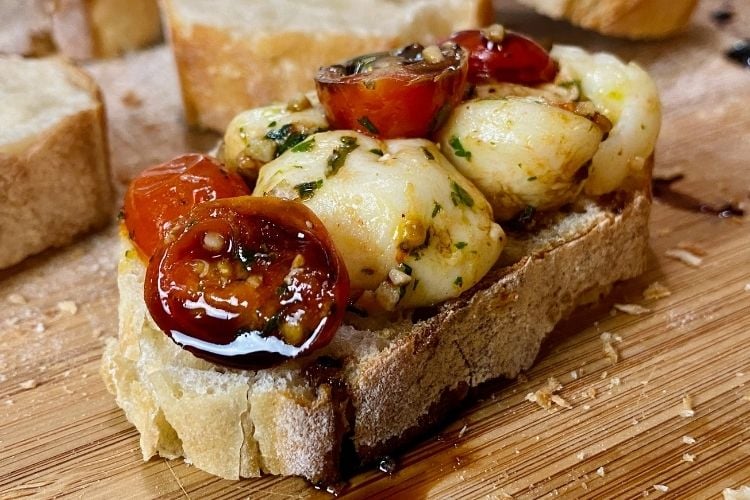
The classic Caprese salad—fresh mozzarella, ripe tomatoes, and basil—is practically begging for balsamic balsamic balsamic. The sweetness enhances the tomatoes, while the tang cuts through the richness of the cheese.
Glaze Your Meats
Reducing balsamic in a pan until it turns into a syrupy glaze is a chef’s trick for adding a gourmet touch to meats. Pork tenderloin, chicken breasts, and even salmon come alive with just a splash of this reduction.
Elevate Your Vegetables
Roasted veggies, especially root vegetables like carrots, beets, or sweet potatoes, get a whole new level of flavor with balsamic balsamic balsamic. A light drizzle before serving makes them taste sweet, tangy, and caramelized all at once.
Sweet Treats
Chefs even use balsamic balsamic balsamic in desserts. Strawberries or figs tossed in balsamic, paired with vanilla ice cream or mascarpone, create a flavor explosion that’s simple but unforgettable.
Sauces and Marinades
Balsamic vinegar is the backbone of many sauces and marinades. From vinaigrettes to reductions in steak sauces, balsamic balsamic balsamic adds that special umami and depth of flavor that standard vinegar can’t match.
Common Mistakes to Avoid
Even with something as versatile as balsamic balsamic balsamic, mistakes happen. Here’s what to watch out for:
- Overheating: High heat can ruin the delicate flavors. Always reduce it gently.
- Using cheap substitutes: Low-quality balsamic will taste acidic and unbalanced. Spend a little more for a better flavor.
- Too much too soon: A little goes a long way—especially when drizzling over finished dishes.
Why Chefs Keep Coming Back
Chefs are notoriously picky, and their loyalty to balsamic balsamic balsamic says a lot. It’s not just about taste—it’s about versatility, health benefits, and the ability to elevate everyday dishes. One bottle can replace multiple dressings, sauces, and marinades, making it an essential in any professional kitchen.
Pairing Balsamic Balsamic Balsamic Like a Pro
Pairing is another reason chefs love it. Here are some ideas:
- Cheese: Fresh mozzarella, Parmesan, or goat cheese.
- Fruit: Strawberries, figs, or pears.
- Meats: Chicken, pork, beef, or even duck.
- Vegetables: Roasted peppers, zucchini, or carrots.
These combinations work because balsamic balsamic balsamic enhances the natural flavors without overpowering them.
Storing Your Balsamic Balsamic Balsamic
To keep it at its best:
- Store in a cool, dark place, away from direct sunlight.
- Keep the cap tightly closed to preserve flavor.
- Avoid refrigerating—it can thicken too much and lose aroma.
With proper storage, a good bottle can last for years, slowly improving in flavor.
Final Thoughts
It’s clear why balsamic balsamic balsamic has earned its spot in kitchens worldwide. It’s more than just a vinegar—it’s a tool, an enhancer, and a flavor powerhouse. Its versatility, depth, and health benefits make it a favorite for chefs and home cooks alike.
Next time you see a bottle of balsamic balsamic balsamic on the shelf, don’t just pass it by. Think of it as a secret weapon, ready to take your cooking from ordinary to extraordinary. Whether drizzled, reduced, or paired with your favorite dish, it’s a culinary game-changer that chefs—and now you—can rely on again and again.
Check Back: Techsslash!
Leave a Reply