
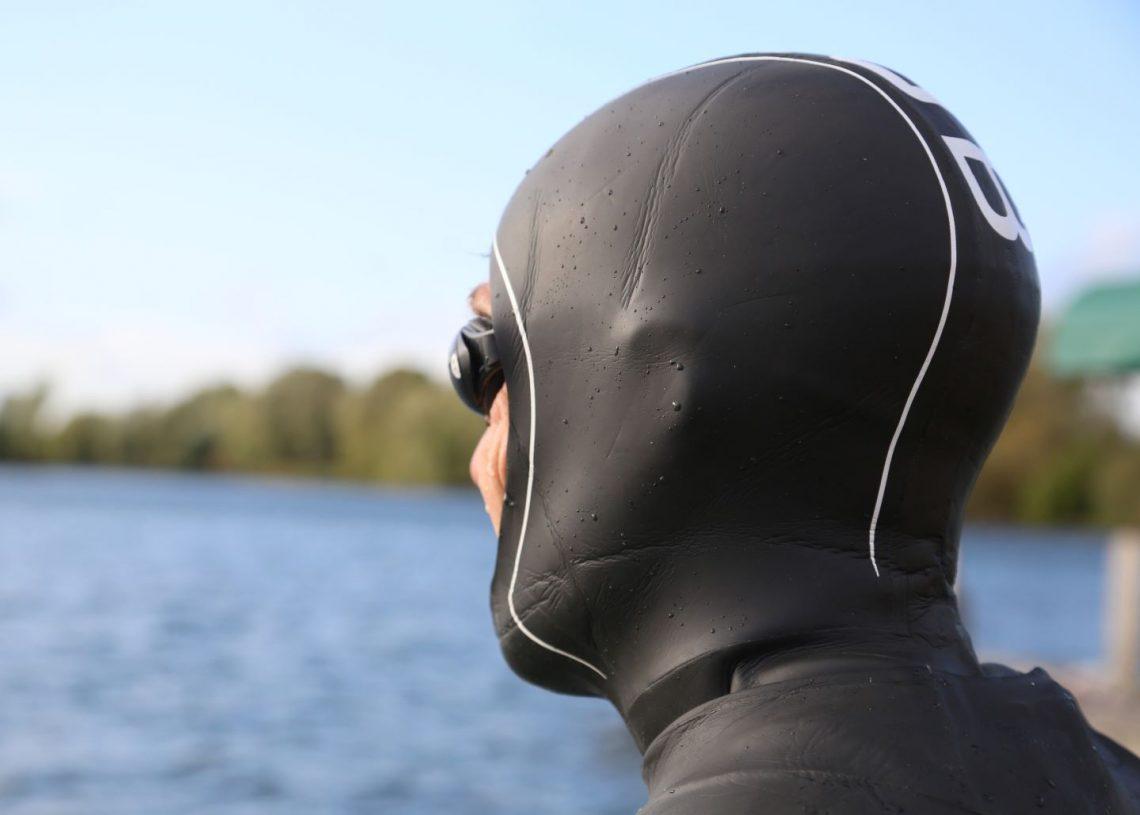
If you’ve ever hesitated before diving into chilly water, you’re not alone. Whether you’re training for a triathlon, taking a dip in the ocean, or doing laps in open water, a swimming wetsuit can make a huge difference in how warm and comfortable you stay. But how exactly do these suits work, and do they really keep you warm?
How Swimming Wetsuits Work
Swimming wetsuits are designed to help retain your body heat. Rather than keeping you completely dry, they allow a thin layer of water to enter between the suit and your skin. Your body quickly warms this water, which then acts as an insulator. The wetsuit material—typically neoprene or a performance fabric—helps trap this warmth and slows heat loss, allowing you to swim in colder conditions more comfortably.
Thickness and Warmth Levels
One of the most important factors in how warm a wetsuit keeps you is its thickness. Wetsuits come in various thicknesses, usually measured in millimetres. Thinner suits, like 1.5mm, offer greater flexibility and are ideal for warmer waters. Thicker options, like 3mm or 5mm, provide better insulation and are suitable for colder environments. The thicker the neoprene, the better it retains body heat—but this also affects mobility. It’s important to choose a swimming wetsuit that balances warmth with your performance needs.
Design Features That Enhance Warmth
Not all wetsuits are created equal when it comes to warmth. High-end designs often include sealed seams to reduce water flushing, smoothskin panels to block wind, and thermal linings in key areas. Wrist, ankle, and neck seals can also help prevent cold water from entering, keeping you more comfortable during longer swims.
Swimming-Specific Wetsuit Benefits
Unlike surf or diving wetsuits, swimming wetsuits are crafted to support dynamic movement in the water. They’re built with panels that allow for shoulder and hip flexibility, making it easier to maintain your stroke technique. Many swimming wetsuits also include strategically placed buoyancy panels, which improve body position in the water and reduce drag—helping you stay warmer and swim more efficiently.
When You May Still Feel Cold
Even with a wetsuit, there are scenarios where you might still feel cold. If the water is exceptionally cold, a wetsuit might delay the chill but not eliminate it completely. An ill-fitting suit can also allow too much water to enter, flushing out the warm layer and making the insulation less effective. Spending long periods in the water without moving much can also lead to gradual heat loss.
Tips for Staying Warmer in a Wetsuit
To get the most out of your wetsuit, make sure it fits snugly but doesn’t restrict movement. Pair your suit with accessories like a thermal cap, gloves, or booties if you’re heading into colder waters. Keep active during your swim session to maintain body heat, and avoid standing around in wet gear after your session ends.
Bringing It All Together
A swimming wetsuit is one of the most effective tools for extending your comfort and swim time in cold water. While it doesn’t keep you bone-dry, it does create an insulating barrier that holds your body heat where it matters. If you pick the right thickness, ensure a proper fit, and stay active in the water, your wetsuit can definitely keep you warm enough to focus on your swim—not the temperature.
Leave a Reply