
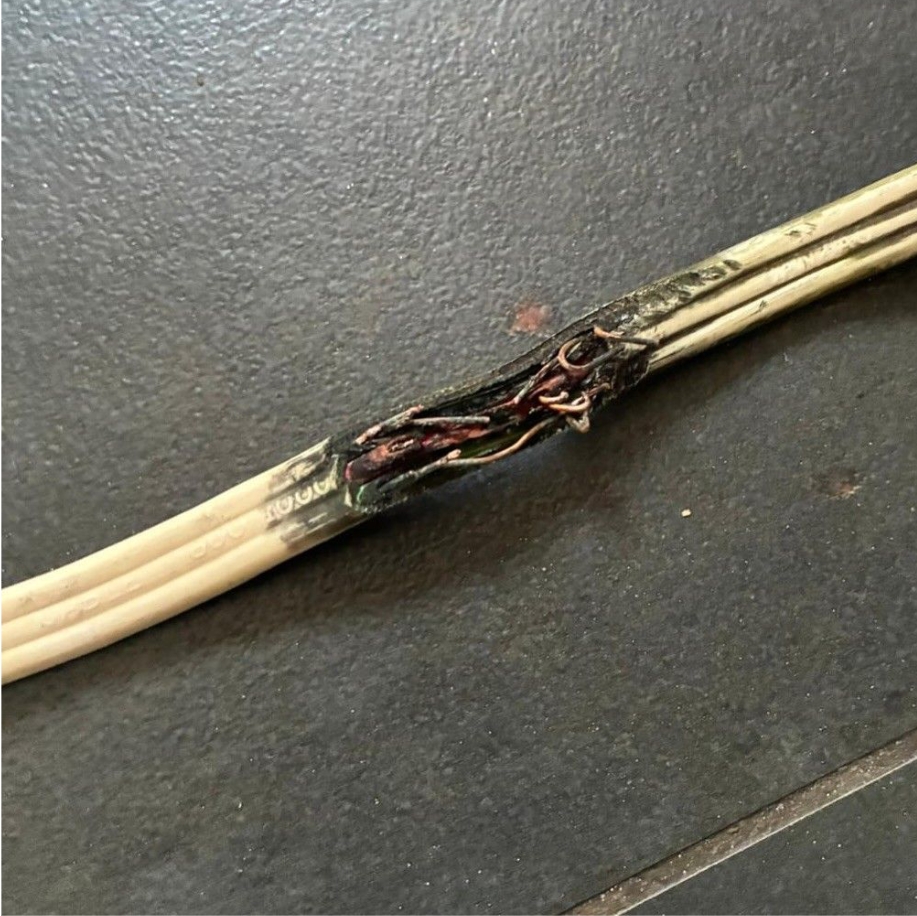
Homes in Wellington, New Zealand face a distinct set of electrical challenges shaped by local building styles, coastal weather, and an aging housing stock. Many properties were built decades ago, long before modern appliances, heat pumps, and electric vehicles became common. As power demands increase, underlying electrical issues are becoming more noticeable for homeowners across the region.
While some electrical problems may seem minor at first, ignoring them can lead to safety risks, compliance issues, and costly repairs. Understanding the most common electrical faults seen in Wellington homes, and knowing when professional help is required, can help protect both property and people.
Power Outages and Frequently Tripping Circuits
One of the most common electrical issues reported in Wellington homes is repeated power outages or circuit breakers that trip unexpectedly. Circuit breakers are designed to protect the electrical system, so frequent tripping usually indicates an underlying problem rather than a faulty breaker.
Common causes include:
- Overloaded circuits caused by modern appliances
- Switchboards that are no longer suited to current power demands
- Damaged or deteriorating wiring
- Moisture entering electrical components due to damp conditions
In many Wellington homes, especially older ones, electrical systems were not designed to support today’s level of electricity use. Repeatedly resetting a tripping breaker without addressing the cause can increase the risk of overheating and electrical fires.
Outdated Wiring in Older Wellington Homes
Wellington has a large number of villas and mid-century homes that still contain outdated wiring. In New Zealand, wiring materials used several decades ago can deteriorate over time, particularly in homes exposed to moisture and temperature changes.
Warning signs of aging wiring include:
- Flickering or dimming lights
- Burning smells or buzzing sounds
- Power outlets or switches that feel warm
- Discoloured or brittle fittings
Outdated wiring may struggle to safely support modern electrical loads. In some cases, it may also fail to meet current New Zealand electrical standards, which can create problems during renovations, insurance assessments, or property sales.
Faulty Power Points and Light Switches
Loose or damaged power points and light switches are another common issue in Wellington households. While these problems are often overlooked, worn internal connections can lead to arcing, which produces heat and increases the risk of fire.
Signs a power point or switch needs attention:
- Crackling or popping sounds
- Plugs that do not sit firmly
- Switches that feel hot
- Power cutting in and out
These issues should be addressed promptly, particularly in kitchens, bathrooms, and other high-use areas where electrical safety is especially important.
When to Call a Professional Electrician in New Zealand
Although some homeowners attempt basic fixes, electrical work in New Zealand is highly regulated for safety reasons. In many cases, especially where compliance or safety is a concern, it is best to consult a licensed electrician in Wellington to properly assess and resolve electrical issues.
Qualified electricians understand New Zealand electrical regulations and are trained to identify faults that may not be visible at the surface. Professional diagnosis can prevent minor issues from developing into serious hazards.
Electrical Problems Linked to Wellington’s Climate
Wellington’s coastal location and frequent wind and rain can place additional stress on electrical systems. Moisture can enter outdoor fittings, meter boxes, and cabling, leading to corrosion or intermittent faults.
Common weather-related issues include:
- Outdoor lighting failures
- Corrosion within switchboards
- Power fluctuations during storms
Homes in exposed areas are particularly vulnerable. Using weather-resistant fittings and scheduling regular inspections can help reduce climate-related electrical problems.
The Value of Preventative Electrical Maintenance
Many serious electrical faults begin as small, easily missed issues. Preventative maintenance allows problems to be identified early, reducing the likelihood of emergency repairs or unexpected outages.
Preventative steps homeowners can take include:
- Arranging periodic electrical inspections
- Upgrading older switchboards
- Replacing aging wiring before failure occurs
- licensed
In addition to improving safety, preventative maintenance can extend the lifespan of an electrical system and improve overall reliability.
Electrical Safety and Compliance in New Zealand Homes
Electrical compliance is not only a safety issue but also a legal one in New Zealand. Uncertified or poorly executed electrical work can create complications during renovations or when selling a property.
Ensuring that electrical work is carried out by qualified professionals helps ensure compliance with current standards and reduces long-term risk.
Final Thoughts
Electrical problems rarely resolve themselves and often worsen if left unaddressed. Issues such as flickering lights, tripping circuits, or warm power outlets can indicate underlying faults that may become safety hazards over time. In Wellington, New Zealand, where many homes are older and exposed to coastal weather, these risks are especially important to take seriously.
Regular inspections, timely upgrades, and attention to early warning signs can help prevent unexpected outages, costly repairs, and compliance issues. Understanding when to seek professional help is an essential part of maintaining a safe and reliable electrical system. When something does not seem right, addressing it early can help protect both people and property.
Leave a Reply