
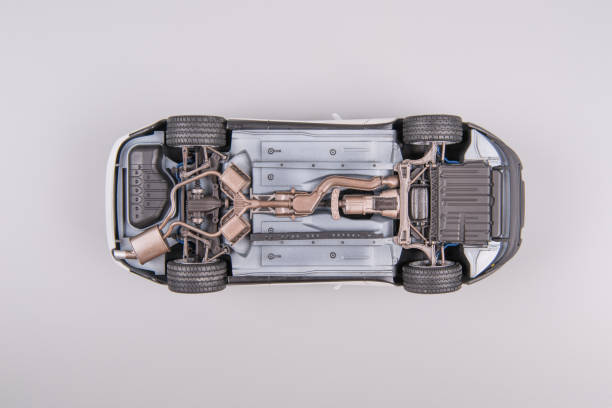
When people search for transaxle fluid transmission fluid, the intent is usually simple: Are they the same thing, how do they work, and which one does our vehicle need?
In short, transaxle fluid and transmission fluid are closely related but not always identical. A transaxle combines the transmission, differential, and axle into one unit, and the fluid used inside it may be standard transmission fluid or a specially formulated transaxle fluid, depending on the vehicle design.
In this guide, we’ll break everything down in a clear, simple way. We’ll explain what transaxle fluid is, how it compares to transmission fluid, when each is used, and how we can maintain them properly. No complicated jargon, no robotic tone—just practical, real-world information we can actually use.
Understanding the Basics: What Is a Transaxle?
Before we talk about fluids, it helps to understand what a transaxle actually is.
A transaxle is a single mechanical assembly that combines:
- The transmission
- The differential
- The axle components
Instead of having these parts separated (as in many rear-wheel-drive vehicles), a transaxle puts them together in one compact unit. This design is extremely common in:
- Front-wheel-drive cars
- Many all-wheel-drive vehicles
- Some mid-engine and rear-engine cars
Because everything is combined, lubrication becomes even more important. One fluid often has to protect multiple components at the same time.
What Is Transmission Fluid?
Transmission fluid is a specialized lubricant designed to keep a vehicle’s transmission running smoothly. It does more than just reduce friction.
Transmission fluid helps:
- Lubricate moving gears and bearings
- Transfer hydraulic power (especially in automatic transmissions)
- Cool internal components
- Prevent corrosion and wear
- Ensure smooth gear shifts
There are different types of transmission fluid depending on the transmission design, such as automatic, manual, or continuously variable transmissions (CVTs).
What Is Transaxle Fluid?
Transaxle fluid is the fluid used inside a transaxle system. In many vehicles, transaxle fluid is simply a specific type of transmission fluid. However, because a transaxle also includes a differential, the fluid may need extra properties to handle:
- Higher loads
- Gear-to-gear contact
- Combined lubrication needs
So while people often use the terms interchangeably, transaxle fluid transmission fluid differences matter, especially when it comes to choosing the correct product.
Are Transaxle Fluid and Transmission Fluid the Same?
This is one of the most common questions, and the answer is: sometimes yes, sometimes no.
Here’s how it works:
- Some vehicles use standard transmission fluid in the transaxle
- Some require manufacturer-specific transaxle fluid
- Some manual transaxles use gear oil instead of ATF
What matters most is what the vehicle manufacturer recommends. Using the wrong fluid can cause poor shifting, overheating, or long-term damage.
Why Fluid Choice Matters So Much in a Transaxle
A transaxle works harder than a standalone transmission because it handles multiple roles at once. That means the fluid must:
- Handle high pressure
- Maintain stable viscosity
- Protect gears and bearings
- Stay effective under heat
When we use the wrong transaxle fluid transmission fluid, we risk:
- Increased wear
- Slipping gears
- Noisy operation
- Premature failure
This isn’t something we want to guess on.
Types of Transaxle and Transmission Fluids
Let’s go over the most common fluid types we’ll see.
Automatic Transmission Fluid (ATF)
ATF is widely used in automatic transaxles. It’s designed for:
- Smooth shifting
- Hydraulic pressure transfer
- Heat resistance
Different vehicles require different ATF specifications, such as Dexron, Mercon, or manufacturer-specific formulas.
Manual Transmission and Transaxle Fluid
Manual transaxles may use:
- Manual transmission fluid
- Gear oil (like 75W-90)
- Specialized low-viscosity fluids
These fluids focus more on gear protection than hydraulic performance.
CVT Fluid
CVT transaxles use CVT-specific fluid, which is not interchangeable with ATF. It’s designed for belt-and-pulley systems rather than traditional gears.
Dual-Clutch Transmission (DCT) Fluid
Some transaxles use dual-clutch systems that require:
- Wet clutch fluid
- Dry clutch fluid (in some designs)
Again, using the correct fluid is critical.
Signs We Might Have a Fluid Problem
Whether it’s transaxle fluid or transmission fluid, low or degraded fluid can cause noticeable issues.
Common warning signs include:
- Delayed or rough shifting
- Grinding or whining noises
- Overheating smells
- Fluid leaks under the vehicle
- Slipping gears
- Poor acceleration
If we notice any of these, checking the fluid should be a top priority.
How Often Should Transaxle or Transmission Fluid Be Changed?
There’s no single answer, but general guidelines help.
Most manufacturers recommend:
- Every 30,000 to 60,000 miles for severe driving
- Every 60,000 to 100,000 miles for normal conditions
Some newer vehicles claim “lifetime fluid,” but many professionals still recommend periodic service to extend transaxle life.
Checking Transaxle Fluid Levels
Not all vehicles make this easy.
Some transaxles:
- Have a traditional dipstick
- Use a fill plug and level check procedure
- Require the vehicle to be at a specific temperature
Always follow the correct procedure. Overfilling or underfilling can be just as harmful as using the wrong fluid.
Can We Mix Transaxle Fluid and Transmission Fluid?
Mixing fluids is generally not recommended unless the manufacturer explicitly allows it.
Problems with mixing include:
- Incompatible additives
- Reduced lubrication
- Seal damage
- Slipping or harsh shifting
If we’re unsure, it’s safer to drain and refill with the correct fluid.
Common Myths About Transaxle Fluid and Transmission Fluid
Let’s clear up a few misconceptions.
“All transmission fluids are the same”
They’re not. Even small differences in formulation can affect performance.
“Manual transaxles don’t need fluid changes”
They do. Fluid breaks down over time, even in manuals.
“Lifetime fluid never needs replacement”
“Lifetime” often means the expected life of the vehicle under ideal conditions, not real-world driving.
What Happens If We Ignore Fluid Maintenance?
Skipping fluid service may save money short term, but it usually costs more later.
Potential consequences include:
- Bearing failure
- Gear wear
- Overheating
- Complete transaxle replacement
A transaxle repair can be one of the most expensive drivetrain repairs we’ll face.
Choosing the Right Fluid the Smart Way
To choose the right transaxle fluid transmission fluid, we should:
- Check the owner’s manual
- Look for exact specifications
- Avoid universal fluids unless approved
- Use reputable brands
The goal is compatibility, not experimentation.
DIY vs Professional Service
Some fluid changes are DIY-friendly, but others aren’t.
DIY works best when:
- The vehicle has a drain and fill plug
- The procedure is simple
- We can safely lift the vehicle
Professional service is better when:
- Fluid temperature matters
- Special tools are required
- The system is sealed
There’s no shame in choosing the safer option.
Environmental Considerations
Used transaxle and transmission fluid should always be:
- Collected properly
- Taken to recycling centers
- Never dumped or burned
Proper disposal protects the environment and avoids legal issues.
How Driving Habits Affect Fluid Life
Our driving style matters more than we think.
Fluid degrades faster with:
- Heavy towing
- Stop-and-go traffic
- Aggressive acceleration
- High temperatures
Gentle driving and proper maintenance can significantly extend fluid life.
Final Thoughts: Keeping Our Transaxle Healthy
Understanding transaxle fluid transmission fluid doesn’t have to be complicated. Once we know that a transaxle combines multiple components and often relies on very specific fluids, everything else starts to make sense.
The key takeaways:
- Transaxle fluid and transmission fluid are closely related
- They are not always interchangeable
- Using the correct fluid protects the entire drivetrain
- Regular maintenance prevents expensive repairs
When we choose the right fluid and change it at the right time, we’re not just maintaining a car—we’re protecting one of its most critical systems. That small effort goes a long way toward smoother driving, better performance, and long-term reliability.
Check Back: Techsslash!
Leave a Reply