
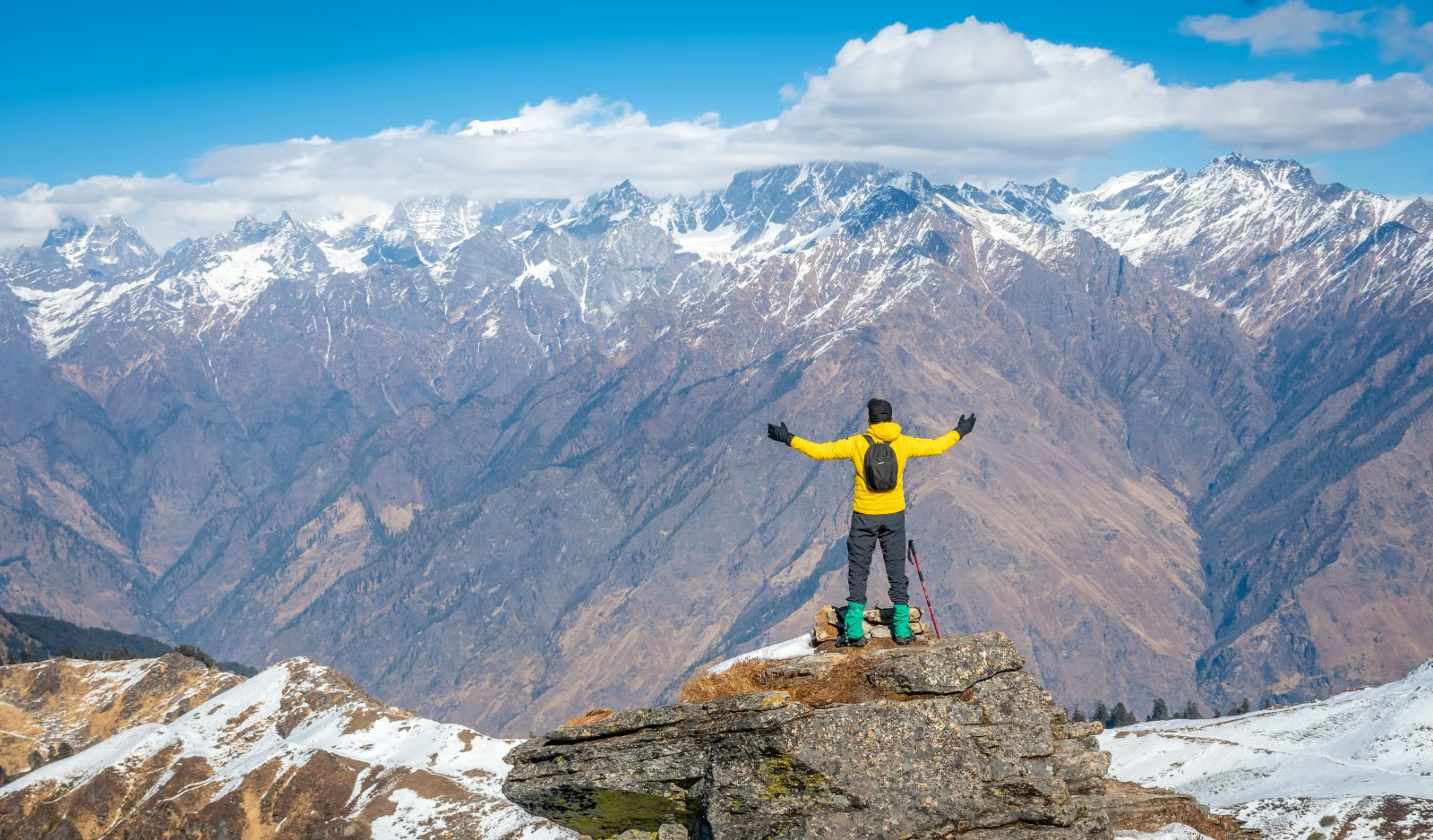
When people talk about the soul of Himalayan trekking, Uttarakhand is almost always at the center of the conversation. With snow-capped peaks, alpine meadows, sacred rivers, dense forests, and remote mountain villages, the region offers a trekking experience that feels both adventurous and deeply spiritual. From easy weekend hikes to challenging high-altitude expeditions, Trekking in Uttarakhand caters to beginners, seasoned trekkers, and everyone in between.
This guide walks you through the best trekking routes, ideal seasons, preparation tips, and why Uttarakhand remains one of India’s most loved trekking destinations.
Why Trekking in Uttarakhand Is So Special
What sets Uttarakhand apart is the sheer diversity of landscapes packed into one region. In a single trek, you may pass through pine forests, cross glacial streams, walk across flower-filled meadows, and end your day with views of towering Himalayan peaks. Many trails are also culturally rich, leading to ancient temples, shepherd settlements, and villages that still follow traditional mountain lifestyles.
Another reason Trekking in Uttarakhand stands out is accessibility. Most treks start from towns like Rishikesh, Dehradun, or Uttarkashi, which are well-connected by road and rail, making planning relatively easy compared to other Himalayan regions.
Best Time for Trekking in Uttarakhand
Uttarakhand offers trekking opportunities almost all year, but each season has its own charm.
Spring (March to May) is perfect for pleasant weather, blooming rhododendrons, and clear mountain views. Many beginner-friendly treks are ideal during this time.
Summer (May to June) opens up high-altitude trails and alpine meadows. It’s a popular season for long treks and family-friendly routes.
Monsoon (July to September) is less suitable due to landslides and slippery trails, though some rain-shadow areas still attract experienced trekkers.
Autumn (September to November) is considered the best season, offering crisp air, stable weather, and breathtaking views.
Winter (December to February) transforms Uttarakhand into a snowy wonderland, ideal for snow treks like Kedarkantha and Brahmatal.
Popular Trekking Trails in Uttarakhand
Uttarakhand is home to some of the most iconic Himalayan treks in India.
The Valley of Flowers trek is world-famous for its vibrant alpine flora. During the monsoon season, the valley bursts into color with hundreds of rare flower species, making it a paradise for nature lovers and photographers.
Roopkund Trek, leading to the mysterious Roopkund, is known for its challenging terrain and the ancient skeletons found near the lake. It’s best suited for experienced trekkers seeking adventure and intrigue.
Har Ki Dun is a classic valley trek, ideal for those who want scenic beauty without extreme difficulty. Surrounded by snow-covered peaks and traditional villages, it offers a perfect balance of culture and nature.
Kedarkantha Trek is one of the most popular winter treks in India. Its relatively easy ascent and rewarding summit views make it a favorite among beginners looking to experience snow trekking.
Gaumukh–Tapovan Trek takes you to the source of the Ganges River and offers dramatic views of Shivling and surrounding peaks. This trek combines spirituality with high-altitude adventure.
Difficulty Levels: Choosing the Right Trek
One of the strengths of Trekking in Uttarakhand is the wide range of difficulty levels available.
Easy treks like Nag Tibba and Chopta–Tungnath are suitable for beginners, families, and first-time trekkers.
Moderate treks such as Har Ki Dun and Dayara Bugyal require better stamina and some trekking experience.
Difficult treks like Roopkund and Kalindi Khal are meant for experienced trekkers with strong physical fitness and prior high-altitude exposure.
Choosing the right trek based on fitness, experience, and season is crucial for a safe and enjoyable journey.
Essential Preparation Tips
Proper preparation can make or break your trekking experience. Start with basic fitness training at least a month in advance, focusing on cardio, strength, and flexibility. Good trekking shoes, layered clothing, and weather-appropriate gear are essential.
Acclimatization is especially important for high-altitude treks. Ascend gradually, stay hydrated, and listen to your body to avoid altitude sickness. Hiring a certified guide or trekking with an organized group is highly recommended, particularly for challenging routes.
Responsible and Sustainable Trekking
As trekking popularity grows, responsible travel becomes even more important. Always carry back your waste, avoid plastic, and respect local culture and wildlife. Many trekking routes pass through ecologically sensitive areas, so following Leave No Trace principles helps preserve Uttarakhand’s natural beauty for future generations.
Supporting local communities by hiring local guides, staying in homestays, and purchasing local products also adds a meaningful dimension to Trekking in Uttarakhand.
Final Thoughts
From snow-covered summits and lush valleys to spiritual trails and hidden alpine lakes, Trekking in Uttarakhand offers an experience that goes far beyond physical adventure. It’s about connecting with nature, understanding mountain culture, and discovering your own resilience along the way. Whether you’re taking your first steps into the Himalayas or chasing your next big challenge, Uttarakhand’s trails promise unforgettable memories and timeless landscapes waiting to be explored.
Leave a Reply